
Financial Planning & Retirement
Teaching the Next Generation About Capital
How transmitting judgment and experience—rather than merely transferring financial assets—succeeds in preparing the next generation to manage capital effectively over the long term.
Aug 20264 min
Small Business
The Financial Structure Every Entrepreneur Eventually Needs
Entrepreneurs often build highly structured businesses but neglect their personal finances, highlighting the need for a comprehensive financial operating system to protect and grow their wealth.
Aug 20262 min
Thought Leadership
From Operator to Capital Allocator
The transition from operating a business to allocating capital requires a fundamental mindset shift, moving from maximizing a single company to objectively evaluating the highest and best use for every dollar.
Aug 20263 min
Risk Management
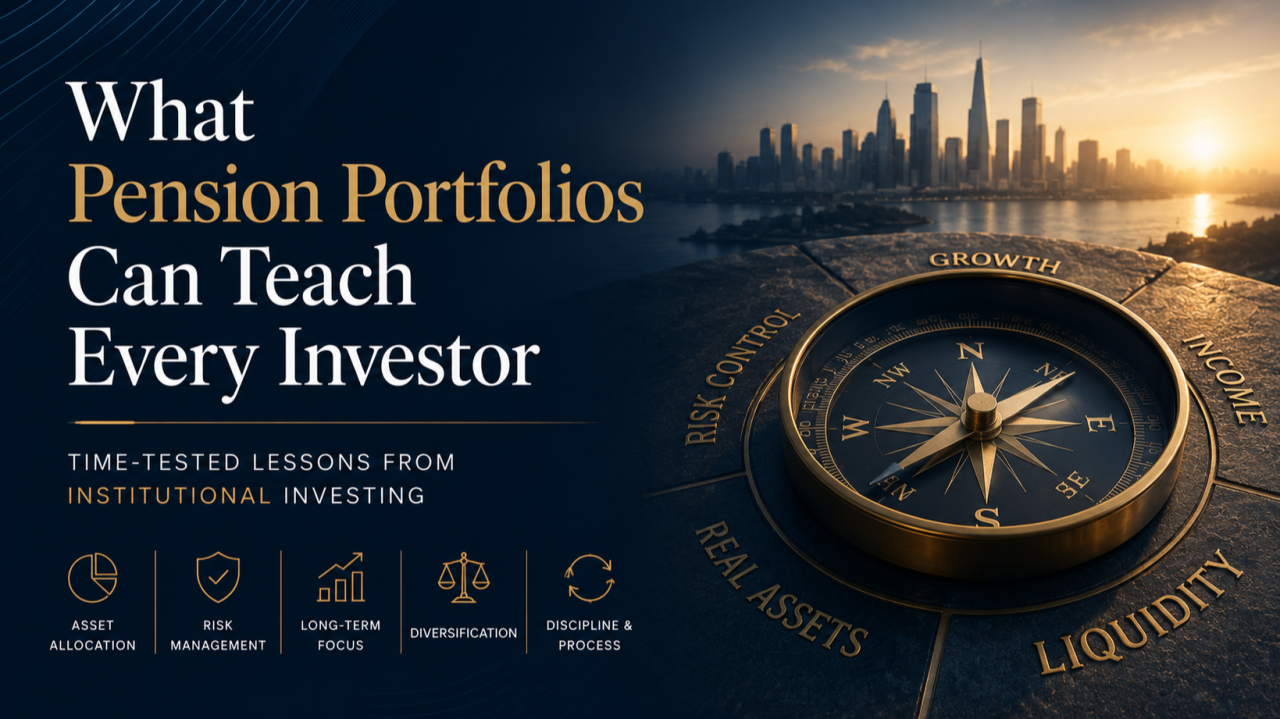
What Pension Portfolios Can Teach Every Investor
Institutional investors succeed not by predicting market movements, but by focusing on robust portfolio construction, prioritizing risk management, and preparing for uncertainty.
Aug 20262 min

Financial Planning & Retirement
Why Great Financial Decisions Are Never Made Alone
Great financial decisions require a coordinated team of specialists—like advisors, CPAs, and attorneys—working from a single blueprint toward a common goal.
Aug 20262 min
Risk Management
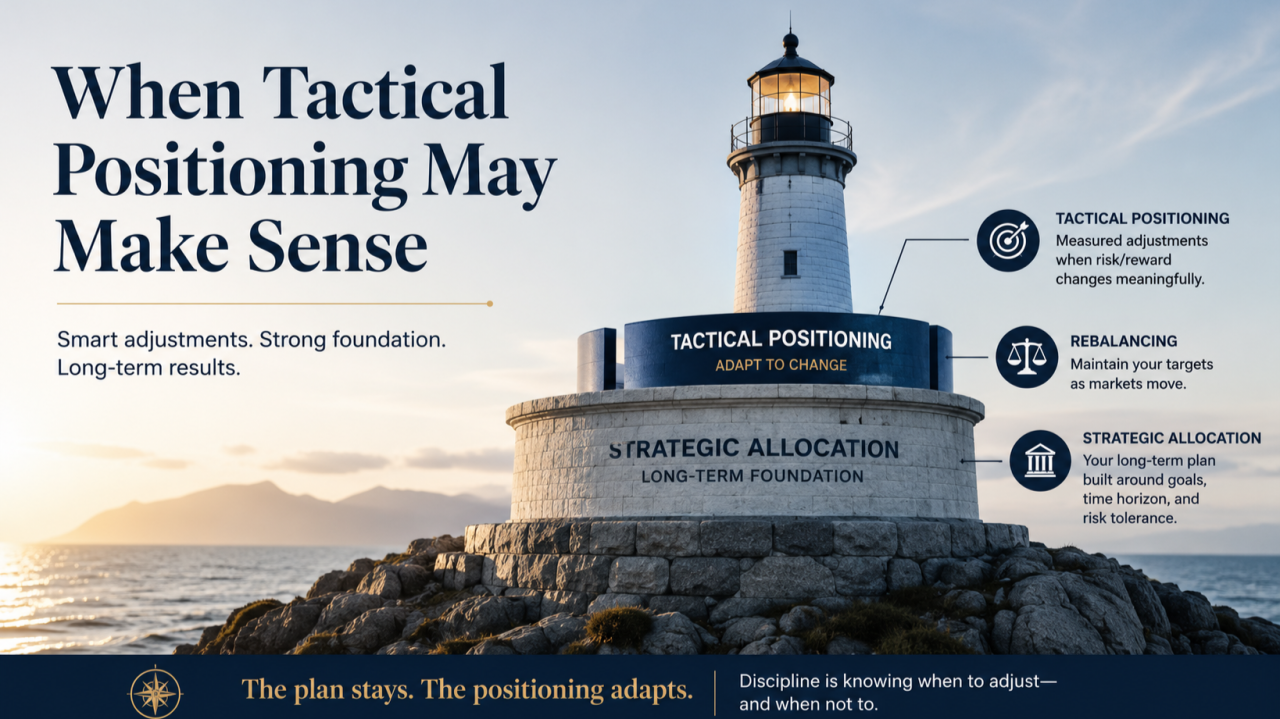
When Tactical Positioning May Make Sense
How tactical positioning—rather than reacting to headlines or guessing the market—achieves measured portfolio adaptation when the balance of risk, opportunity, and expectations changes meaningfully.
Jul 20265 min
Macro
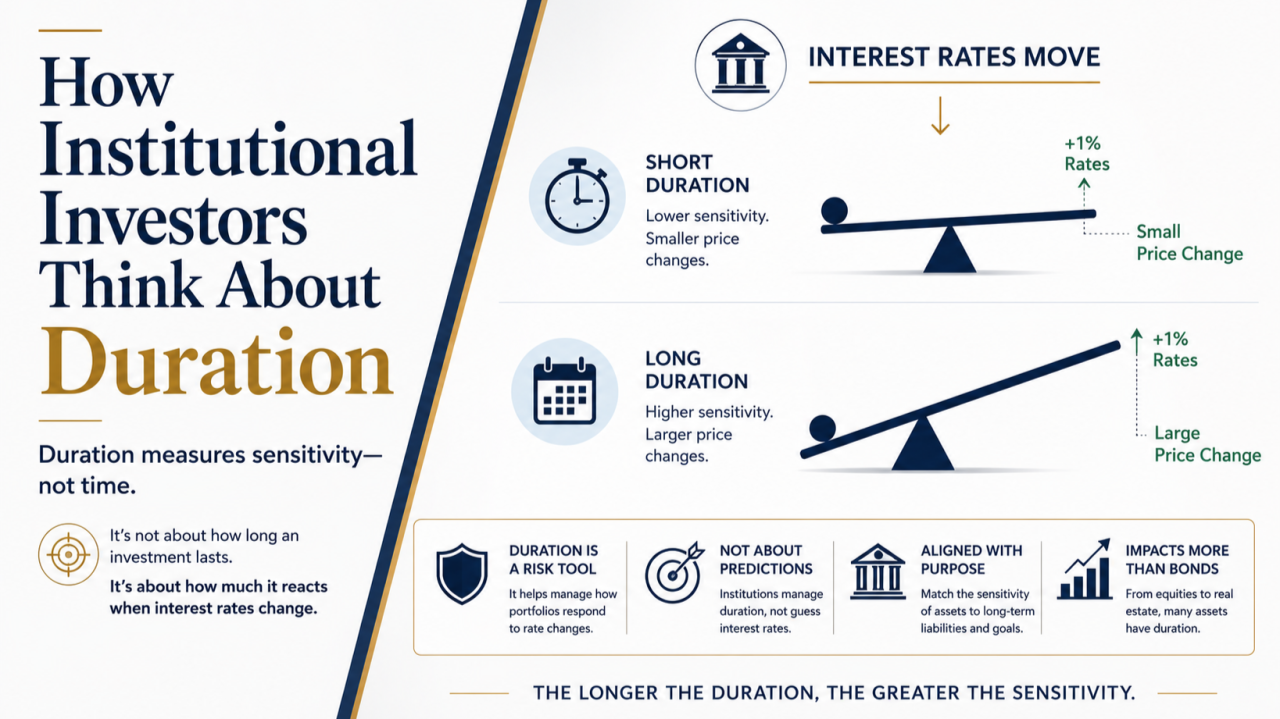
How Institutional Investors Think About Duration
How duration—rather than a simple clock—helps institutional investors gauge portfolio sensitivity to interest rates and align risk with long-term obligations.
Jul 20264 min
Macro
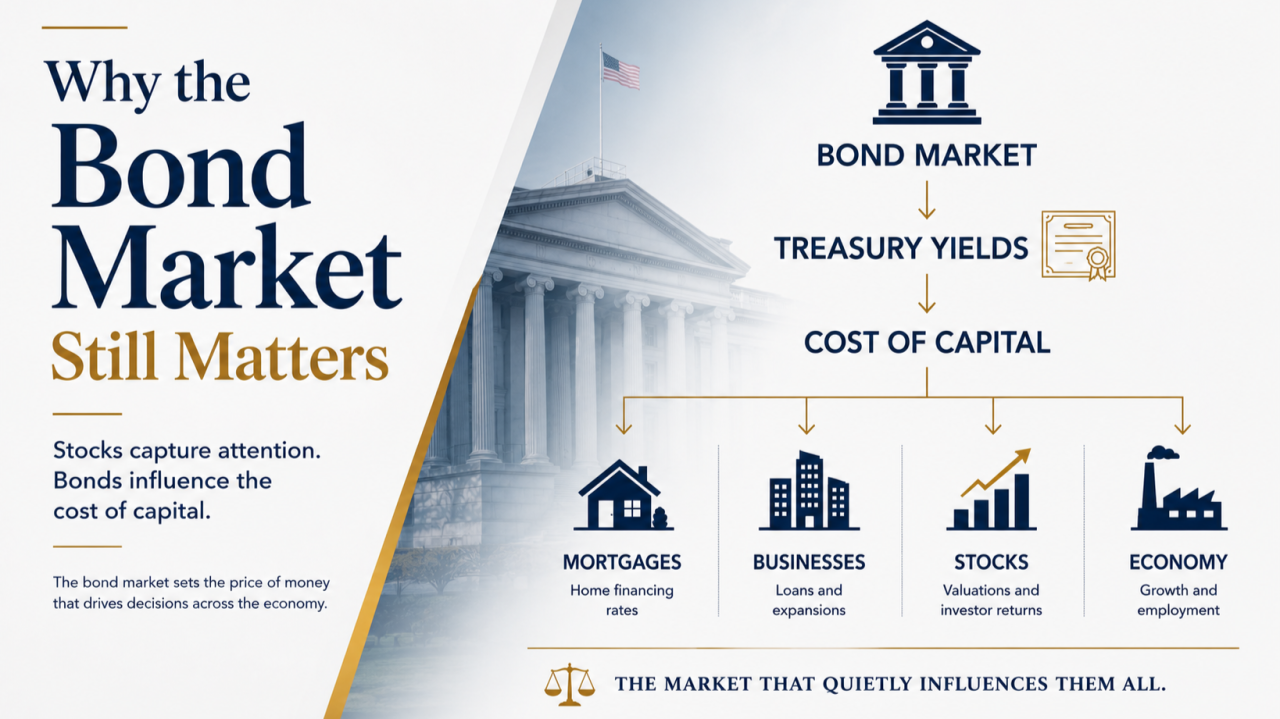
Why the Bond Market Still Matters
How the bond market—rather than visible stocks—achieves the pricing of capital and shapes borrowing, valuations, and economic decisions across the economy.
Jul 20265 min
Macro
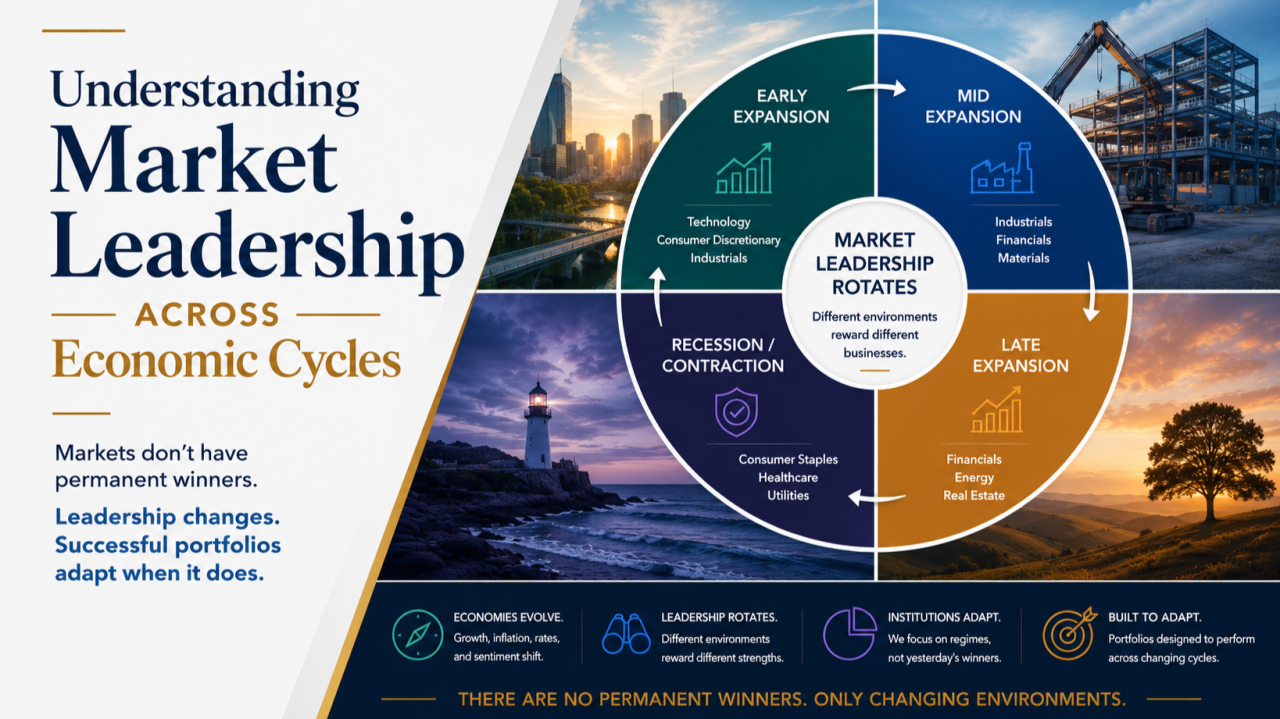
Understanding Market Leadership Across Economic Cycles
How a portfolio built for different economic regimes—rather than chasing the latest winner—achieves adaptability, spreads leadership risk across sectors, and maintains resilience when market conditions shift.
Jul 20265 min
Macro
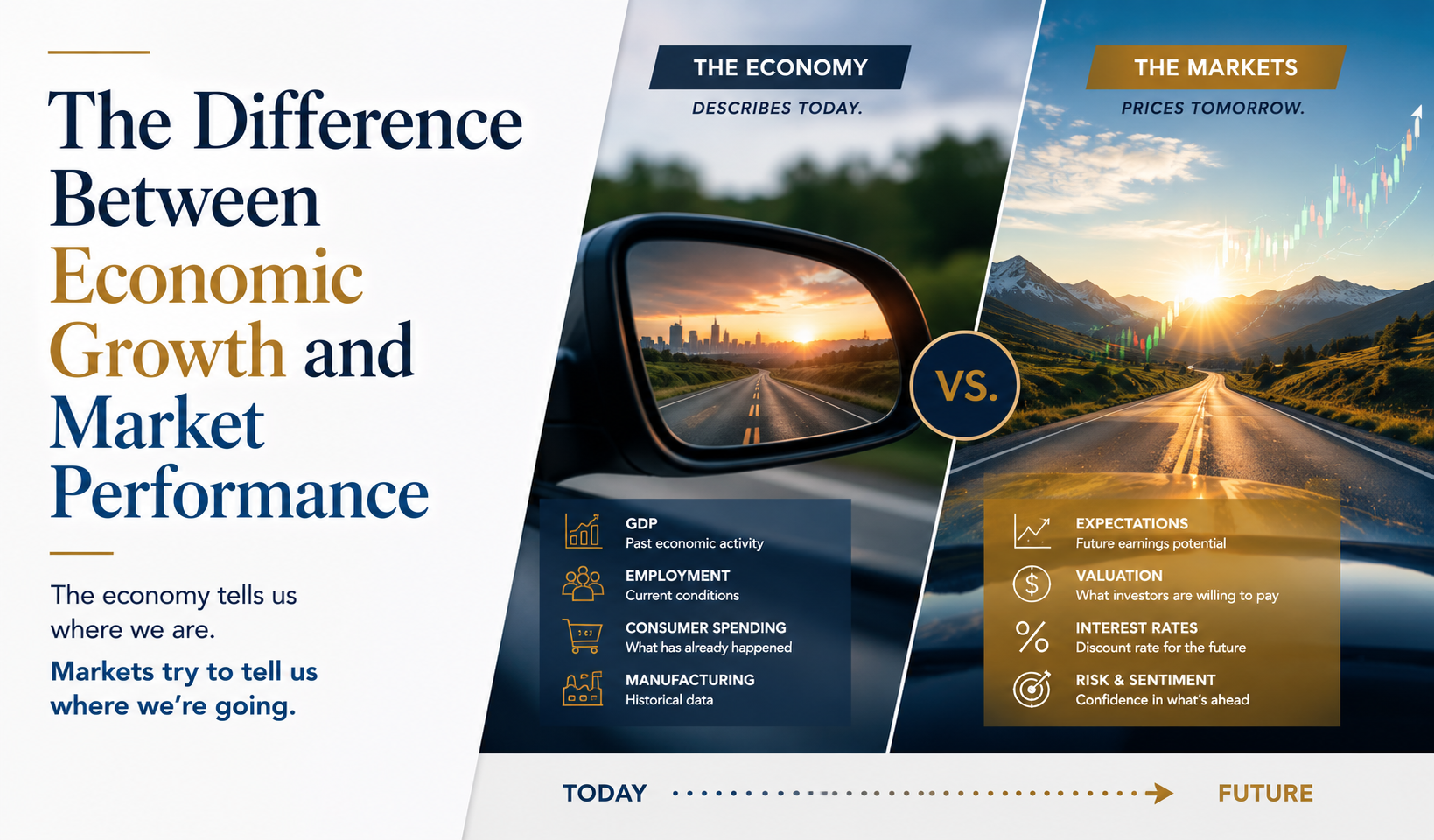
The Difference Between Economic Growth and Market Performance
How separating economic growth from stock-market performance—rather than assuming they move in lockstep—helps investors read expectations more accurately and avoid impulsive decisions based on lagging headlines.
Jul 20265 min
Market Commentary
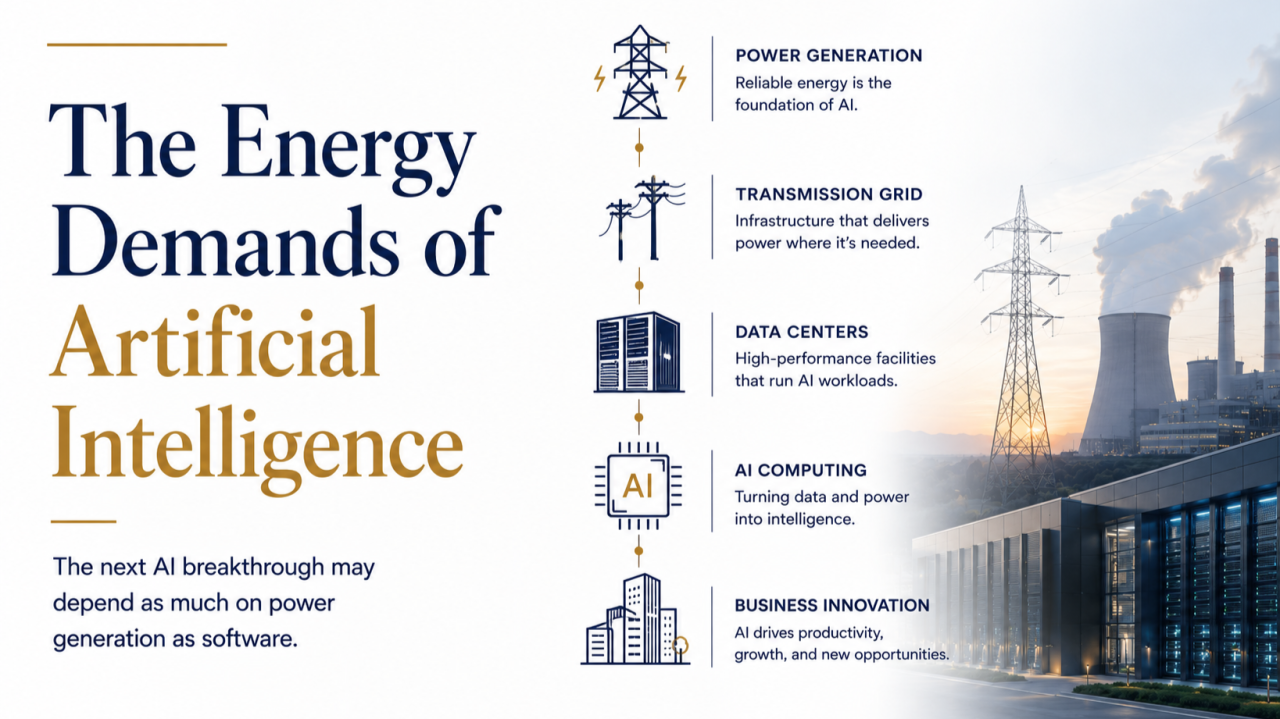
The Energy Demands of Artificial Intelligence
How the need for adequate energy infrastructure —rather than just better software— determines the future of artificial intelligence.
Jun 20265 min
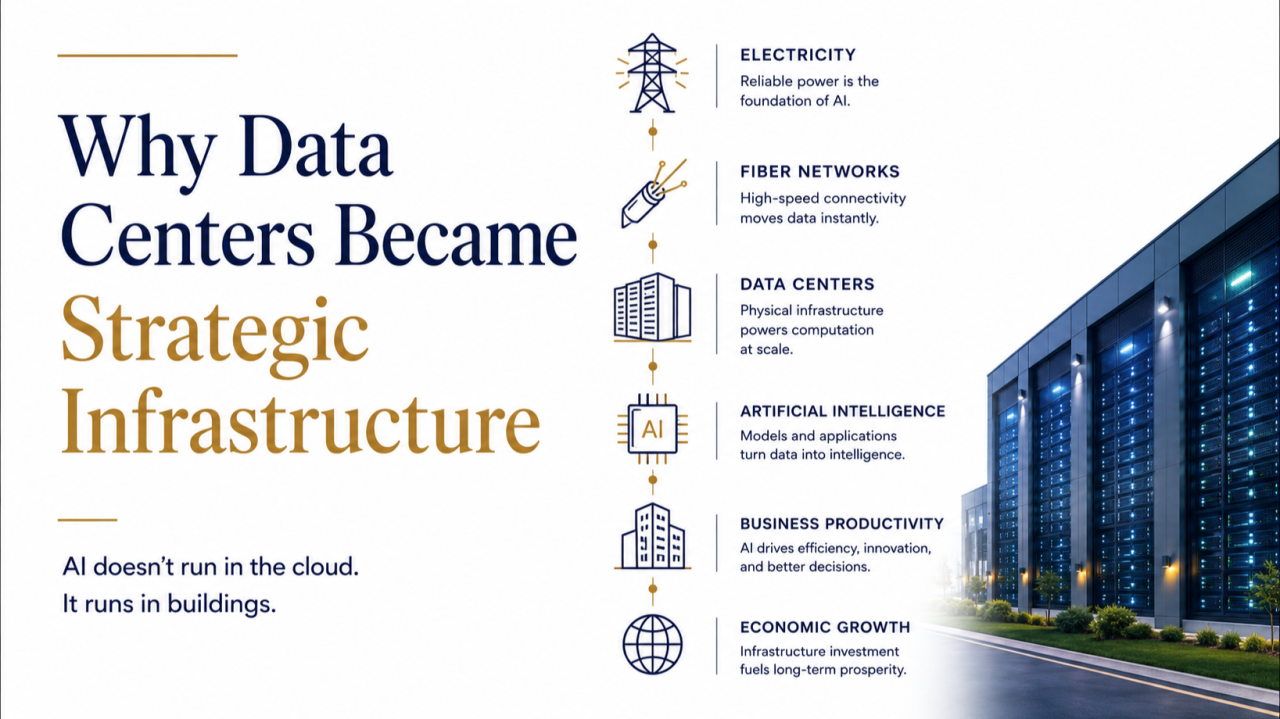
Why Data Centers Became Strategic Infrastructure
How the growth of artificial intelligence —rather than focusing solely on technology— underscores the importance of critical infrastructure that supports its operation.
Jun 20265 min
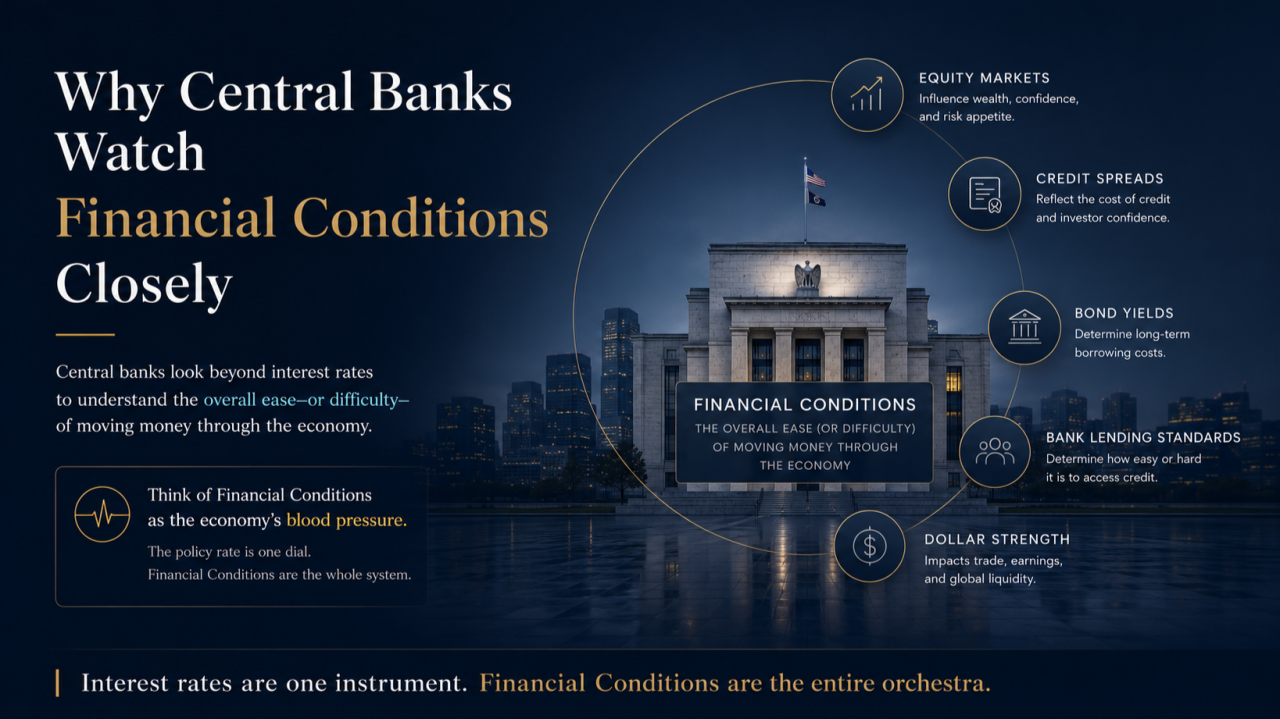
Why Central Banks Watch Financial Conditions Closely
How understanding financial conditions —rather than focusing solely on interest rates— allows central banks to assess the economy's health and its impact on the behavior of economic agents.
Jun 20265 min
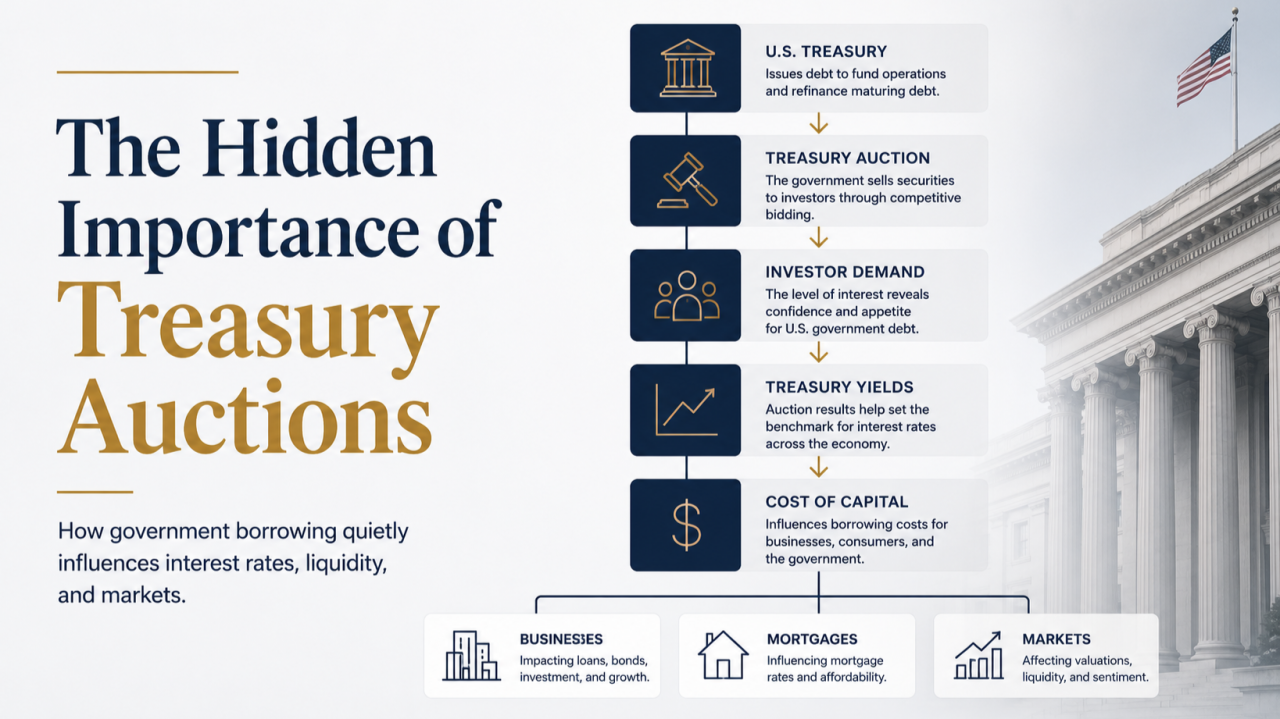
The Hidden Importance of Treasury Auctions
How paying attention to Treasury auctions—instead of ignoring them—reveals a clear window into investor confidence and the cost of capital.
Jun 20265 min
Thought Leadership
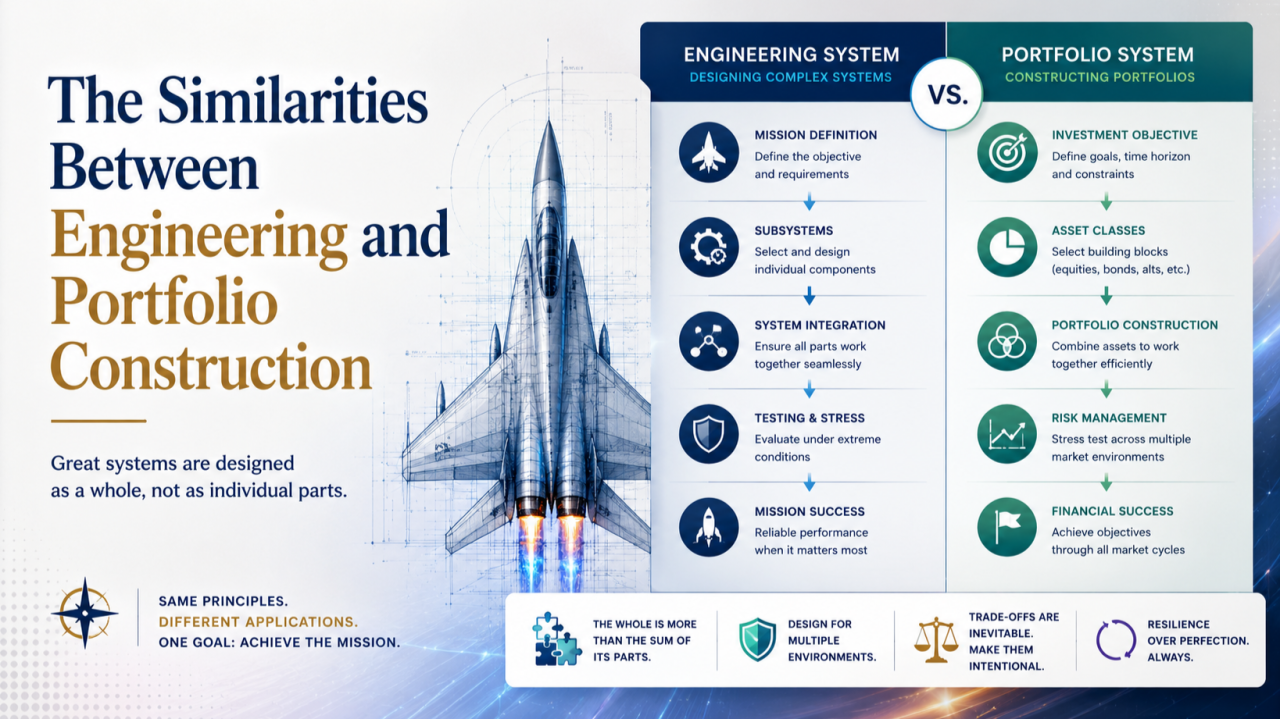
The Similarities Between Engineering and Portfolio Construction
How understanding that a portfolio is a system designed to work together —rather than just focusing on the best individual investments— enables more resilient management in changing environments.
Jun 20265 min
Thought Leadership
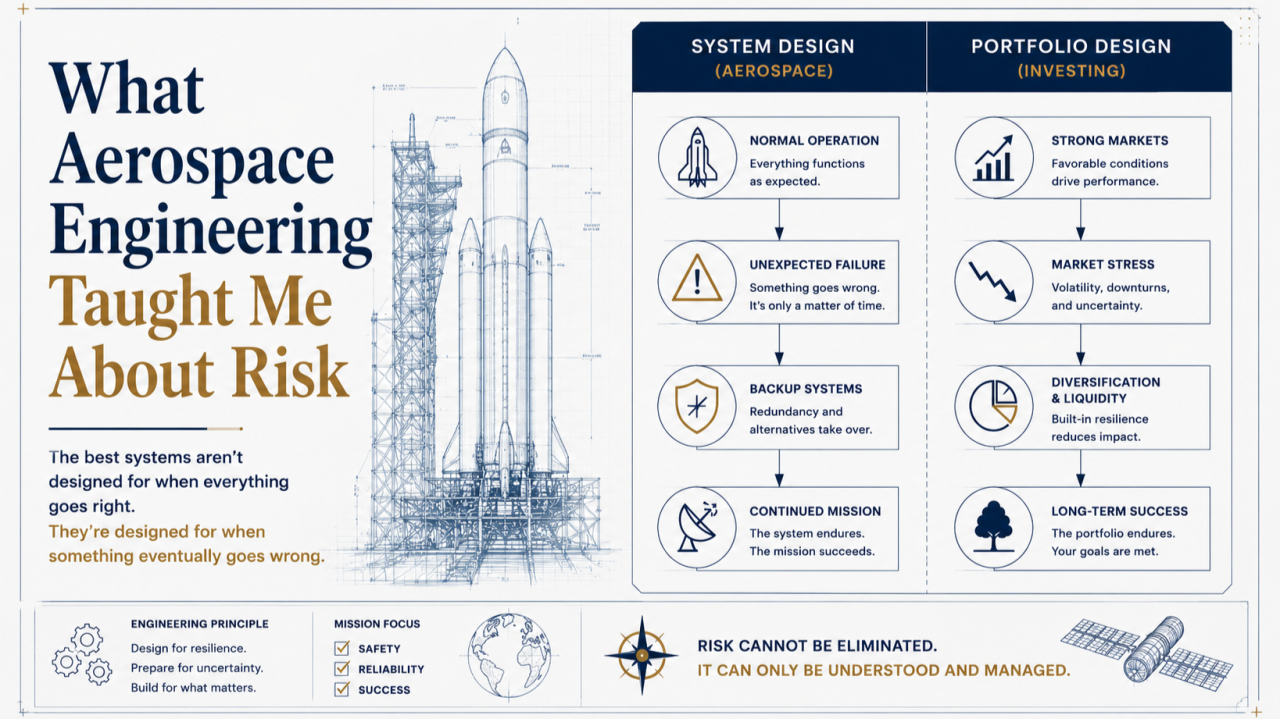
What Aerospace Engineering Taught Me About Risk
How understanding and preparing for risk—rather than trying to eliminate it—allows for building resilient and successful investment structures in uncertain environments.
Jun 20265 min
Financial Planning & Retirement
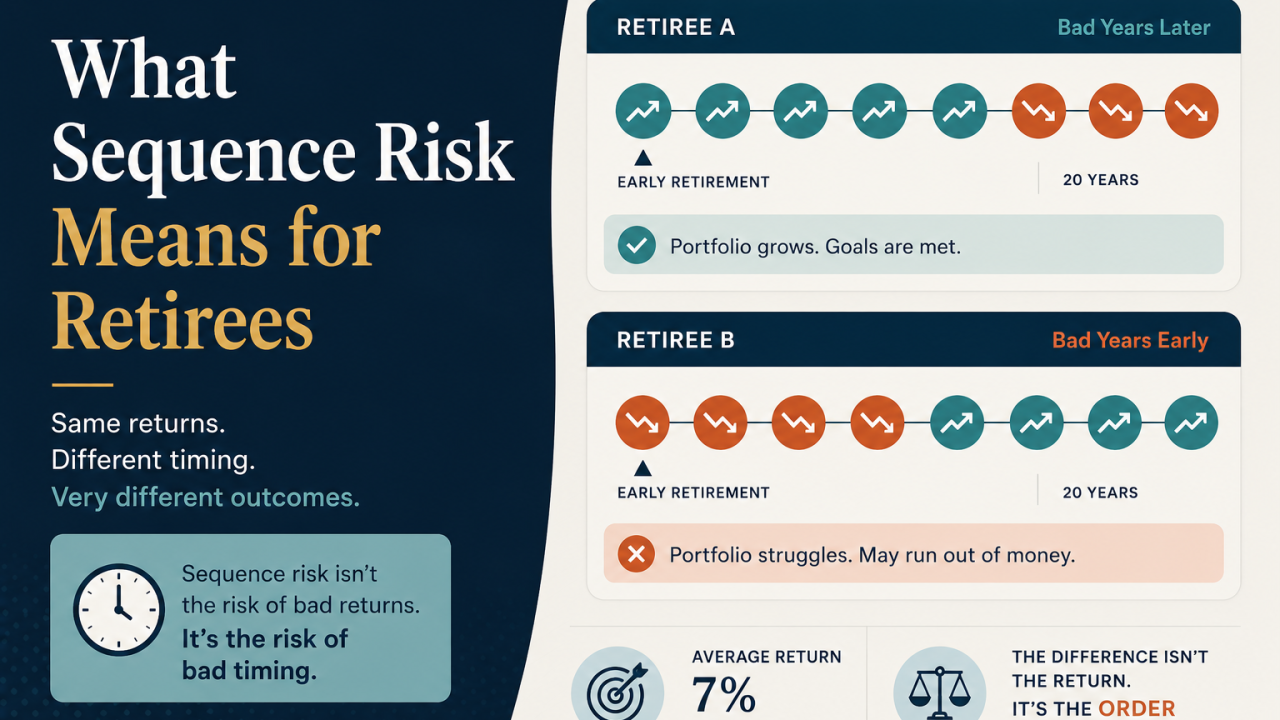
What Sequence Risk Means for Retirees
How managing sequence risk—the timing of returns relative to withdrawals—rather than relying on long-term average returns prevents the permanent depletion of a portfolio.
Jun 20262 min

Financial Planning & Retirement
Retirement Is About Cash Flow, Not Just Net Worth
How focusing on predictable cash flow and reliable income sources—rather than just accumulating a specific net-worth number—secures long-term retirement security and flexibility.
Jun 20262 min
Small Business
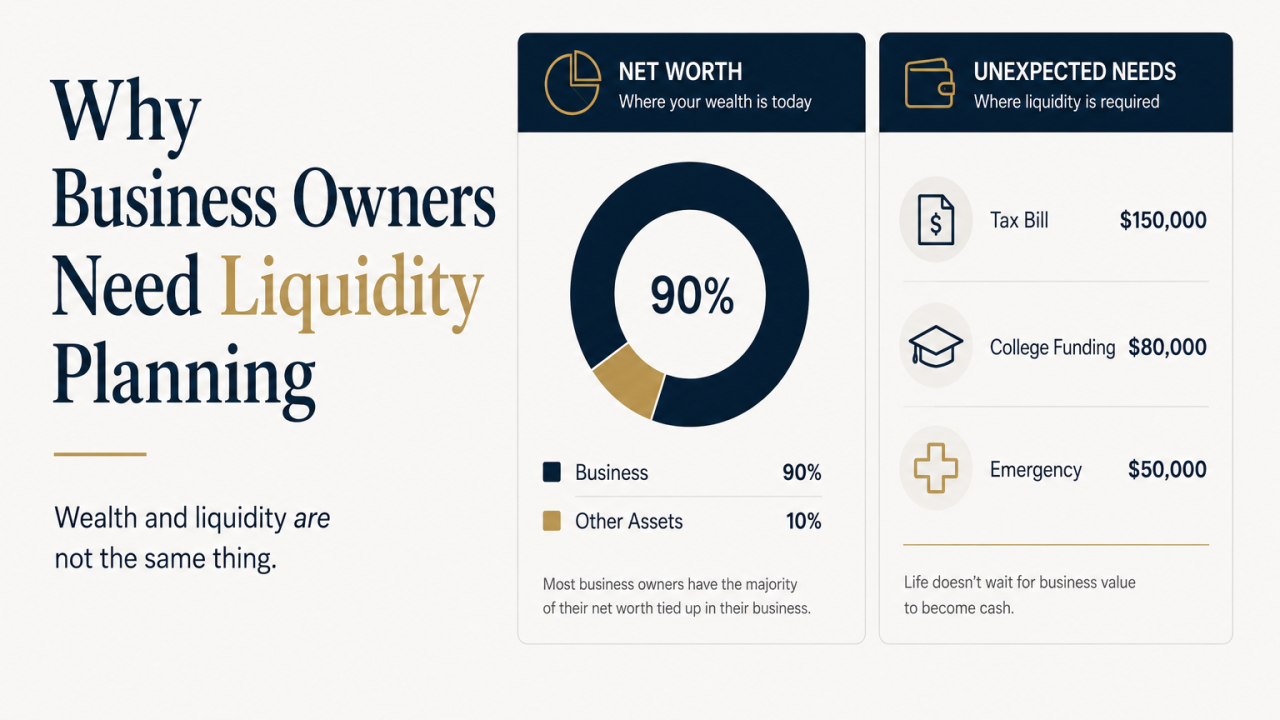
Why Business Owners Need Liquidity Planning
How setting aside liquid capital outside a private company—rather than relying solely on paper wealth—creates the strategic flexibility and optionality to meet unexpected obligations and opportunities.
Jun 20262 min
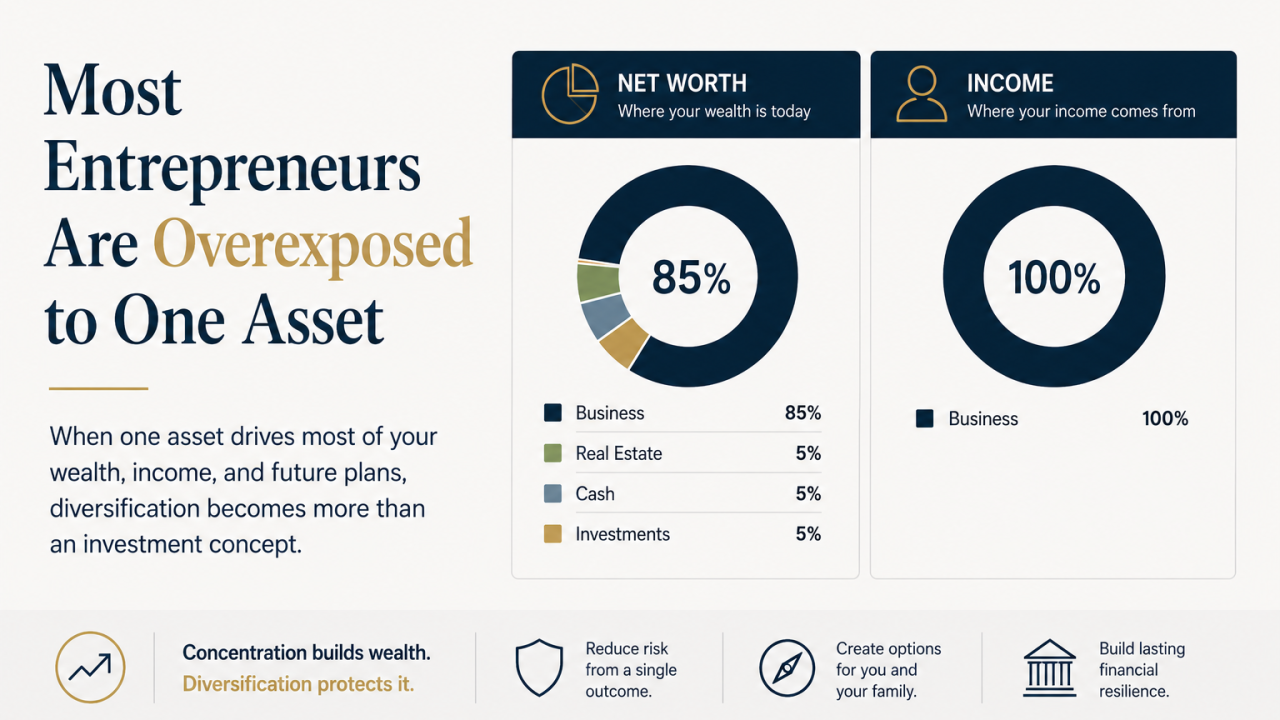
Small Business
Most Entrepreneurs Are Overexposed to One Asset
How building liquidity and wealth outside a private company—rather than staying overexposed to one concentrated asset—creates real financial resilience and optionality for entrepreneurs.
Jun 20262 min
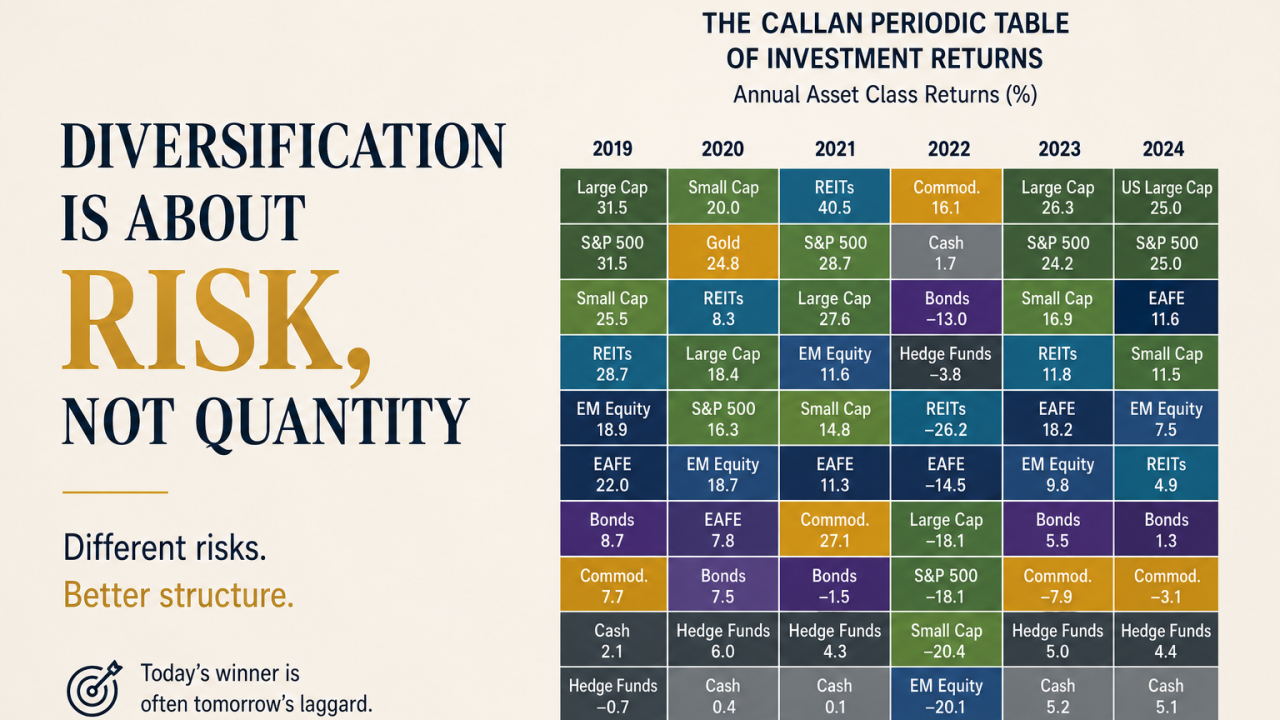
Diversification Is About Risk, Not Quantity
How focusing on uncorrelated asset behavior—rather than the sheer number of individual holdings—reduces a portfolio's dependence on a single economic outcome.
May 20262 min
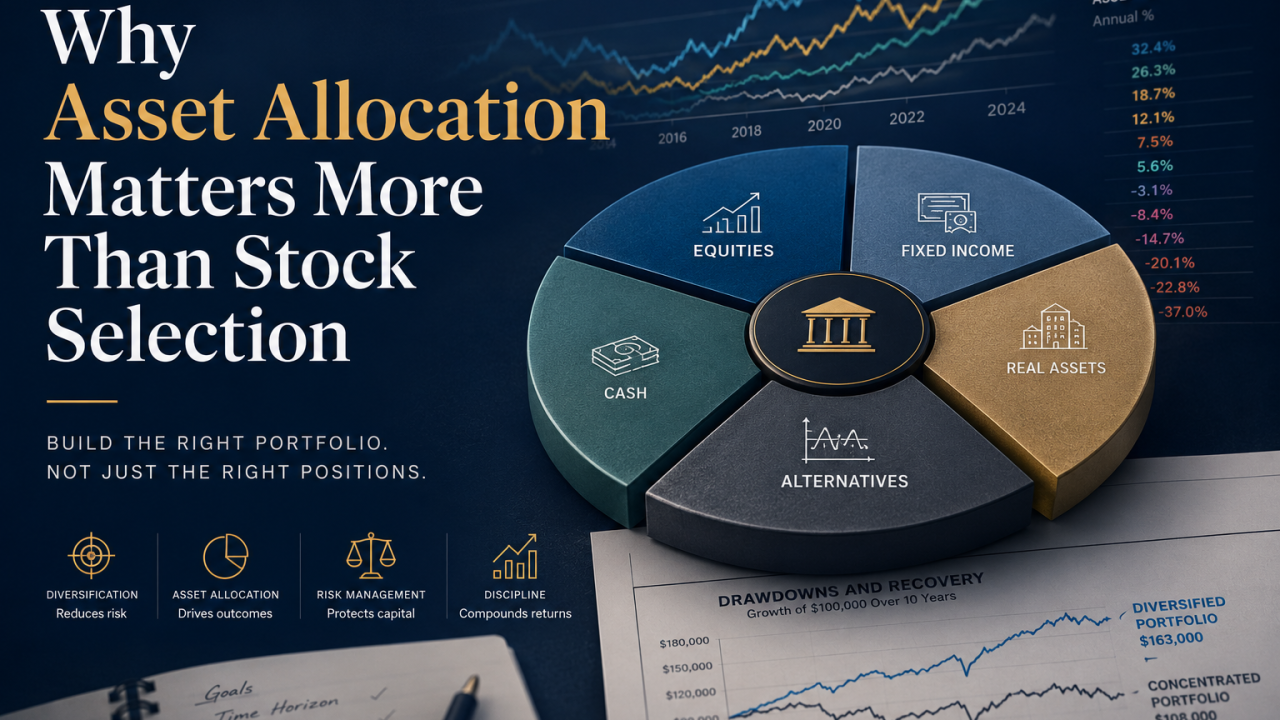
Why Asset Allocation Matters More Than Stock Selection
How structuring portfolios for long-term resilience and asset allocation—rather than trying to predict winning stocks—drives steady compounding and investment discipline.
May 20262 min
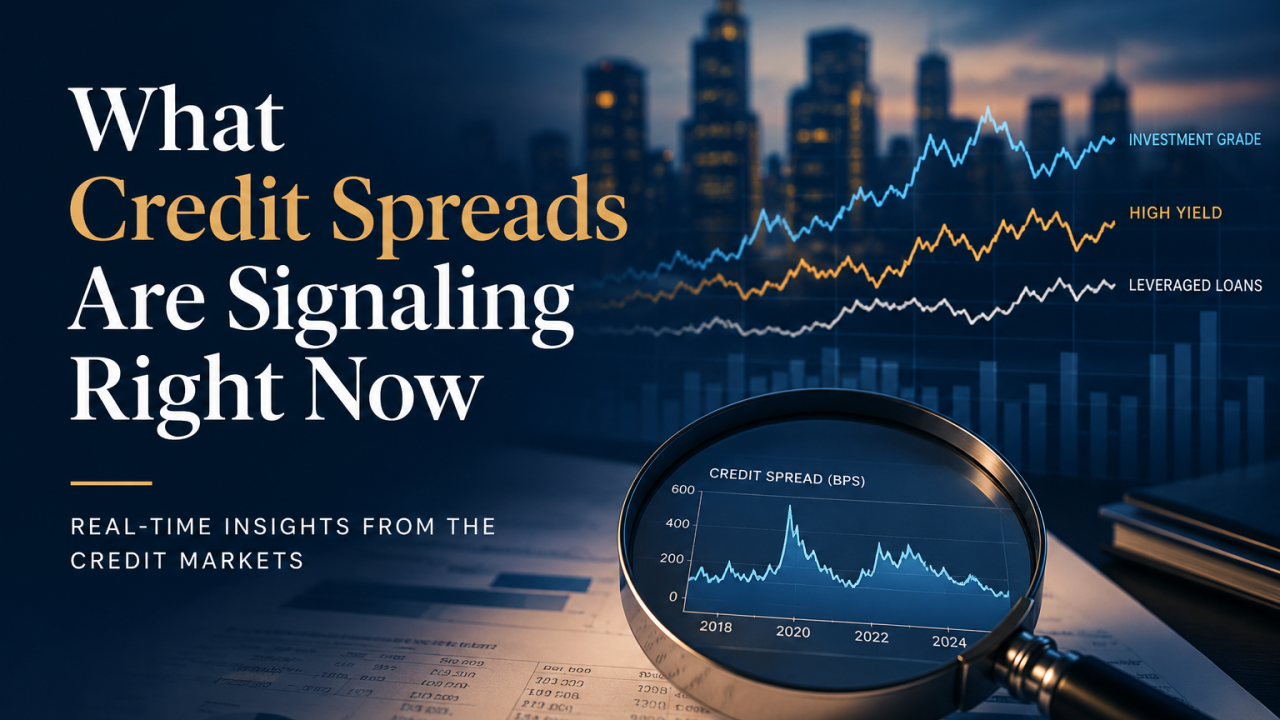
What Credit Spreads Are Signaling Right Now
How monitoring credit spreads—rather than only watching the stock market—reveals underlying shifts in borrowing costs and systemic financial stress.
May 20262 min
Why Liquidity Drives Markets More Than Headlines
How monitoring systemic liquidity and the availability of capital—rather than reacting to daily headlines—enables proactive risk management and disciplined portfolio decisions.
May 20262 min